
Advancements in gynecologic surgery have transformed how many conditions are treated, offering women safer procedures and faster recovery times. Two of the most common minimally invasive options today are robotic-assisted surgery and laparoscopic surgery. Understanding the differences between these gynecological procedures can help patients feel more confident when discussing treatment plans with their doctor in Dallas.
Laparoscopic surgery is a minimally invasive form of gyn surgery that uses small incisions and a camera-guided instrument to perform procedures inside the pelvis. It has been widely used for decades to treat conditions such as fibroids, ovarian cysts, endometriosis, and chronic pelvic pain.
Benefits of laparoscopic gynecological surgery often include less post-operative pain, smaller scars, reduced risk of infection, and shorter recovery times compared to open surgery.
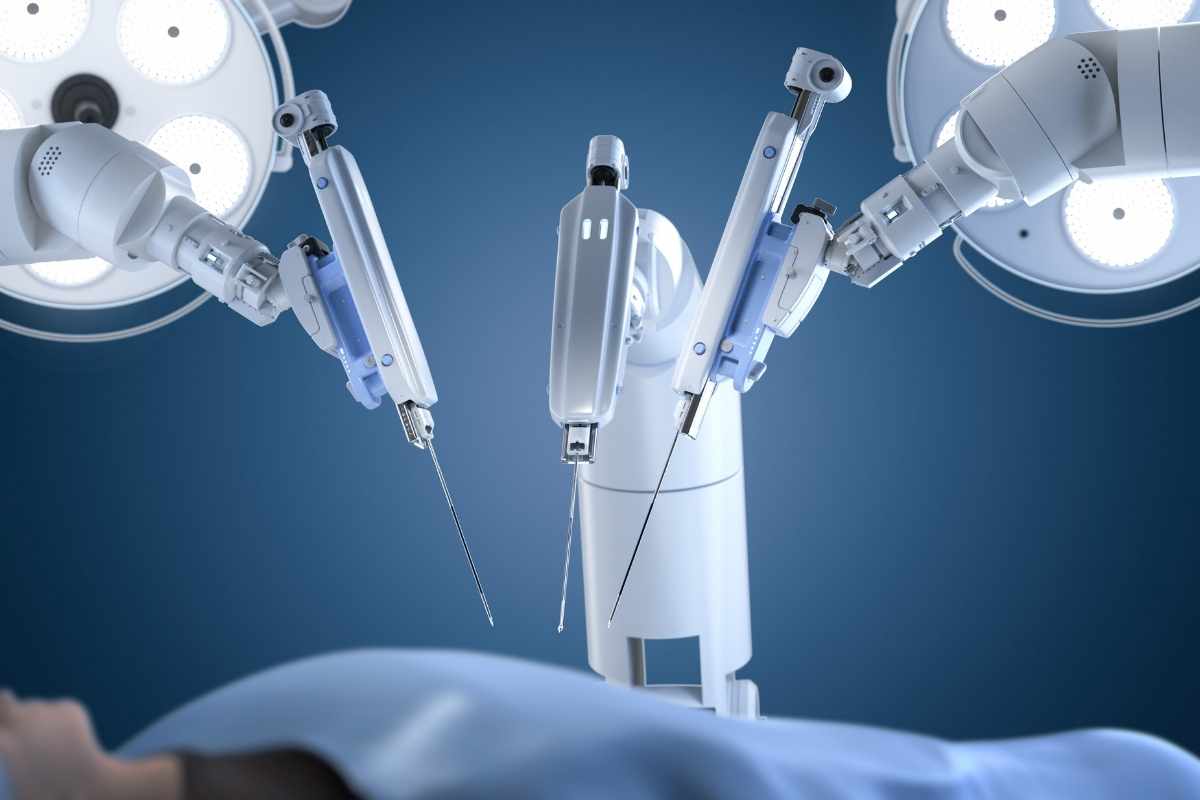
Robotic-assisted surgery builds upon laparoscopic techniques by using a robotic system controlled by the surgeon. This technology allows for enhanced precision, improved visualization, and greater range of motion during complex gynecological procedures.
Robotic gynecologic surgery is commonly used for cases that require meticulous dissection or reconstruction, such as advanced endometriosis, hysterectomy, or procedures involving delicate pelvic structures.
While both options are minimally invasive, the primary differences lie in surgical control and complexity. Laparoscopic surgery relies entirely on handheld instruments, whereas robotic surgery translates the surgeon’s movements into highly precise actions through robotic arms.
For patients, both approaches typically offer similar benefits in terms of reduced downtime and faster healing. The choice often depends on the condition being treated, anatomy, and the surgeon’s expertise.
Recovery from minimally invasive gynecologic surgery is generally faster than traditional surgery. Many patients return to daily activities within a few weeks, depending on the procedure performed.
Robotic surgery may offer additional advantages for certain patients, including less blood loss and improved outcomes in complex cases. However, laparoscopic surgery remains an excellent option for many routine gynecological procedures.
Choosing between robotic and laparoscopic gyn surgery is not a one-size-fits-all decision. Factors such as diagnosis, surgical history, severity of symptoms, and overall health all play a role.
An experienced gynecologic surgeon will explain the recommended approach, discuss alternatives, and outline expected recovery timelines so patients can make informed choices.
Access to modern surgical options is essential for women seeking high-quality care. Practices that offer both laparoscopic and robotic gynecological surgery provide flexibility and individualized treatment planning.
For women in Dallas, OH Women’s Health offers comprehensive gynecologic care, including advanced minimally invasive gynecological procedures tailored to each patient’s needs. Their team emphasizes precision, safety, and personalized support from consultation through recovery.
Understanding the differences between robotic and laparoscopic gynecologic surgery empowers patients to take an active role in their care. With the right surgeon and surgical approach, women can achieve effective treatment outcomes while minimizing disruption to their daily lives.

Heart health is crucial for overall well-being. Learn how to keep your heart healthy with these simple lifestyle changes, expert tips, and the latest medical advancements.

Dr. Helen Onoriode and her team at O. H. Women’s Health are committed to providing the highest quality healthcare through all phases of a woman’s life. Make an appointment with us today!