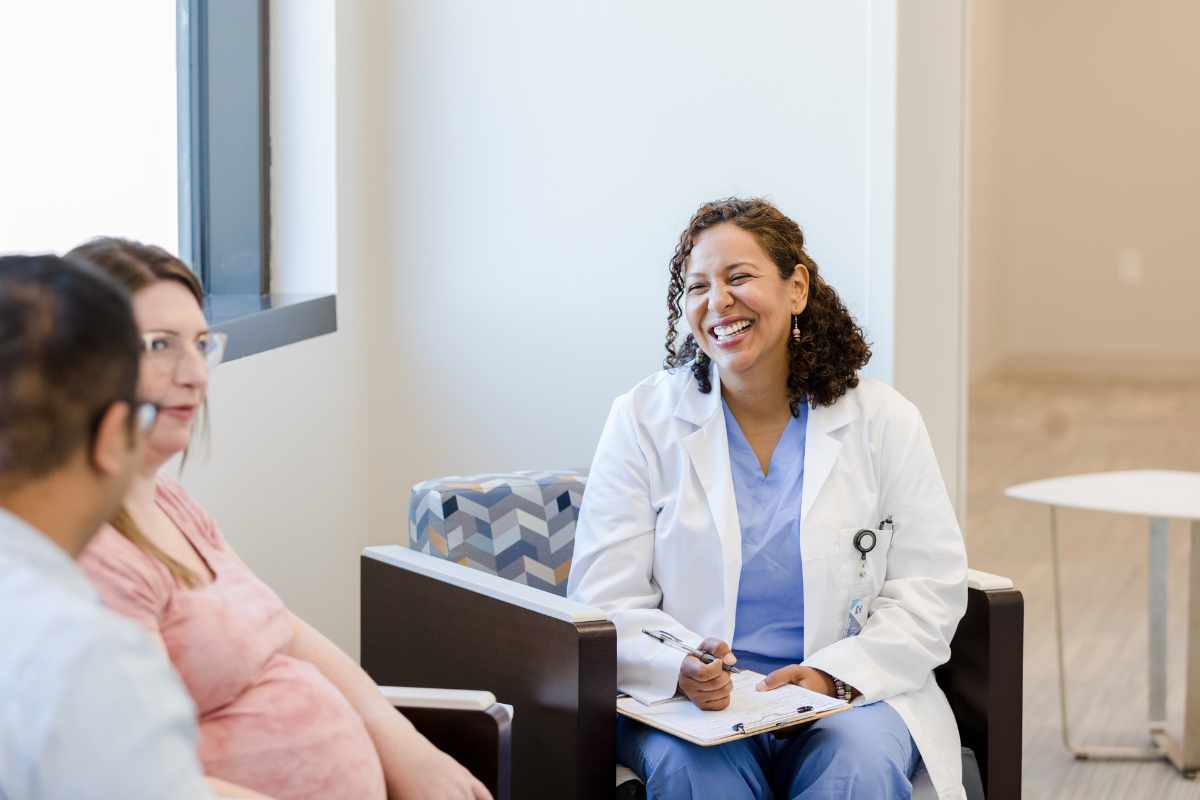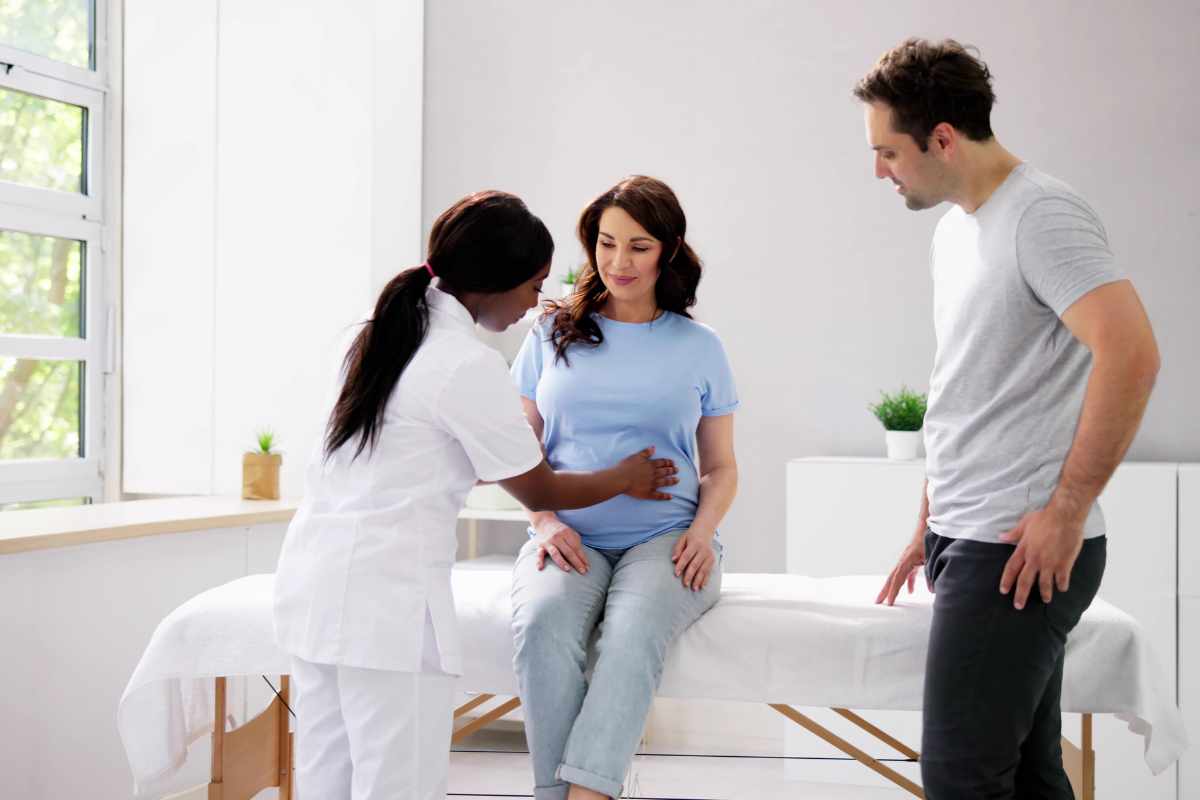
For many women, endometriosis affects more than daily comfort — it impacts fertility, hormone balance, and long-term reproductive goals. If you’ve undergone gynecological procedures or are preparing for gynecological surgery, understanding your chances of conceiving after treatment can help you plan confidently for the future.
Whether you worked with an endometriosis excision specialist near me or are considering your options, here’s what to expect on your fertility journey after surgery.
Endometriosis can interfere with fertility through inflammation, scar tissue, hormonal disruption, and impaired ovulation. Excess estrogen and endometriosis activity can contribute to ovarian cysts, blocked fallopian tubes, and chronic pain that affects intimacy and quality of life.
However, many women successfully conceive after proper treatment — especially when working with the best endometriosis specialist who understands both surgical precision and hormonal health.
Removing endometrial lesions through gyn surgery or robotic excision can significantly boost fertility by:
Many women who undergo minimally invasive procedures report improvements in menstrual cycles, hormone regulation, and overall reproductive health. After treatment, both natural conception and assisted fertility options may become more accessible.
If you’re searching for an endometriosis surgery specialist, look for providers skilled in fertility-preserving surgical techniques.
Your body needs time to heal, rebalance hormones, and restore function. During this period, you may notice improvements in pain levels, cycle regularity, and energy — all crucial for fertility.
Your provider may also review your endometriosis surgery recovery time and help you determine the safest window for attempting pregnancy. Most specialists recommend waiting a few months for optimal healing, depending on the severity and type of surgery.
Because endometriosis and hormones are deeply linked, maintaining stable hormone levels after surgery is essential. Elevated estrogen can trigger inflammation, while progesterone resistance can affect ovulation.
A reproductive endocrinologist or endometriosis doctors near me may recommend:
Addressing hormones early improves both fertility outcomes and long-term wellness.
If fertility does not return naturally after gynecological surgery, options like IVF, IUI, or egg freezing may increase chances of conception. Surgery often improves the success rate of these treatments by reducing inflammation and restoring pelvic structure.
A fertility specialist can guide you based on your ovarian reserve, age, hormone levels, and the extent of previous endometriosis.
Finding the right team is key to your fertility journey. When searching for endometriosis specialists, look for providers who combine surgical expertise with a deep understanding of hormones and fertility. A collaborative approach delivers the best outcomes — especially for women planning pregnancy after surgery.
For continued wellness support, consider therapies like lymphatic drainage, red light therapy, or IV nutrient support through reputable centers such as Body Lounge Park Cities, which can complement hormonal optimization and recovery.
Fertility after endometriosis surgery is not only possible — it's often significantly improved when you receive the right treatment. With proper healing, hormone balance, and expert guidance, many women go on to conceive naturally or with assisted reproductive care.
Your journey is unique, and finding dedicated specialists in Dallas will help you move forward with clarity and confidence.

Heart health is crucial for overall well-being. Learn how to keep your heart healthy with these simple lifestyle changes, expert tips, and the latest medical advancements.

Dr. Helen Onoriode and her team at O. H. Women’s Health are committed to providing the highest quality healthcare through all phases of a woman’s life. Make an appointment with us today!