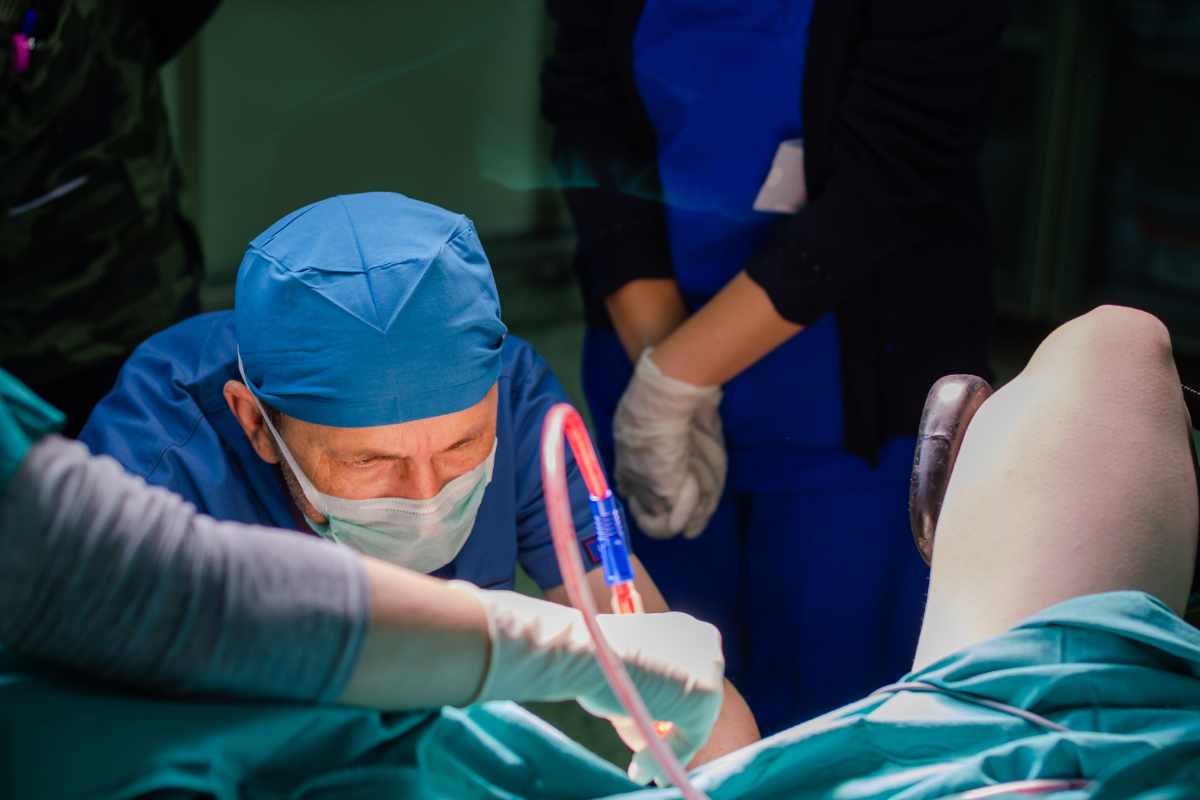
Pelvic pain is one of the most common reasons women seek gynecologic care, yet its causes can be complex and difficult to diagnose. While many cases respond to medication, physical therapy, or lifestyle changes, persistent or worsening pain may signal the need for gynecologic surgery. Understanding when surgical intervention is appropriate helps patients make informed decisions about their care and long-term health.
Pelvic pain is considered chronic when it lasts longer than six months or interferes with daily life. It may present as constant discomfort, sharp or stabbing pain, pressure in the lower abdomen, or pain during menstruation, intercourse, or bowel movements. Because multiple organ systems are involved in the pelvic region, identifying the source of pain often requires specialized evaluation.
Common conditions associated with pelvic pain include uterine fibroids, ovarian cysts, endometriosis, pelvic adhesions, and adenomyosis. In some cases, these conditions progress despite conservative treatment, making gynecological procedures a necessary next step.
Doctors typically recommend non-surgical options first, such as hormonal therapy, anti-inflammatory medications, or pelvic floor physical therapy. However, surgery may be considered when:
At this stage, minimally invasive gyn surgery can offer both diagnostic clarity and symptom relief.
Modern gynecological surgery focuses on precision and faster recovery. Depending on the diagnosis, surgical options may include:
These minimally invasive approaches allow surgeons to address the underlying cause of pain while reducing scarring, blood loss, and downtime compared to traditional open surgery.

Patients undergoing minimally invasive gynecologic procedures often experience shorter hospital stays, less post-operative pain, and quicker returns to daily activities. For many women, surgery not only relieves pain but also improves mobility, energy levels, and emotional well-being.
Choosing the right surgical approach depends on factors such as age, reproductive goals, overall health, and the severity of symptoms. A personalized treatment plan is essential for optimal outcomes.
Pelvic pain surgery requires experience and a thorough understanding of complex gynecologic conditions. Women in Dallas benefit from working with providers who offer comprehensive diagnostics, advanced surgical techniques, and continuity of care from consultation through recovery.
When seeking expert care for pelvic pain in Dallas, choosing the right provider is essential. OH Women’s Health offers comprehensive evaluation and treatment for pelvic pain, combining non-surgical care with advanced gynecological procedures when surgery is necessary. Their experienced team specializes in minimally invasive options, including laparoscopic and robotic gynecological surgery, ensuring patients receive personalized care from diagnosis through recovery. Learn more here.
Living with chronic pelvic pain is not something women should accept as normal. Advances in gynecologic surgery now provide effective, less invasive solutions that can significantly improve quality of life. If pelvic pain is affecting your daily routine, sleep, or emotional health, a surgical consultation may be the key to lasting relief.

Heart health is crucial for overall well-being. Learn how to keep your heart healthy with these simple lifestyle changes, expert tips, and the latest medical advancements.

Dr. Helen Onoriode and her team at O. H. Women’s Health are committed to providing the highest quality healthcare through all phases of a woman’s life. Make an appointment with us today!