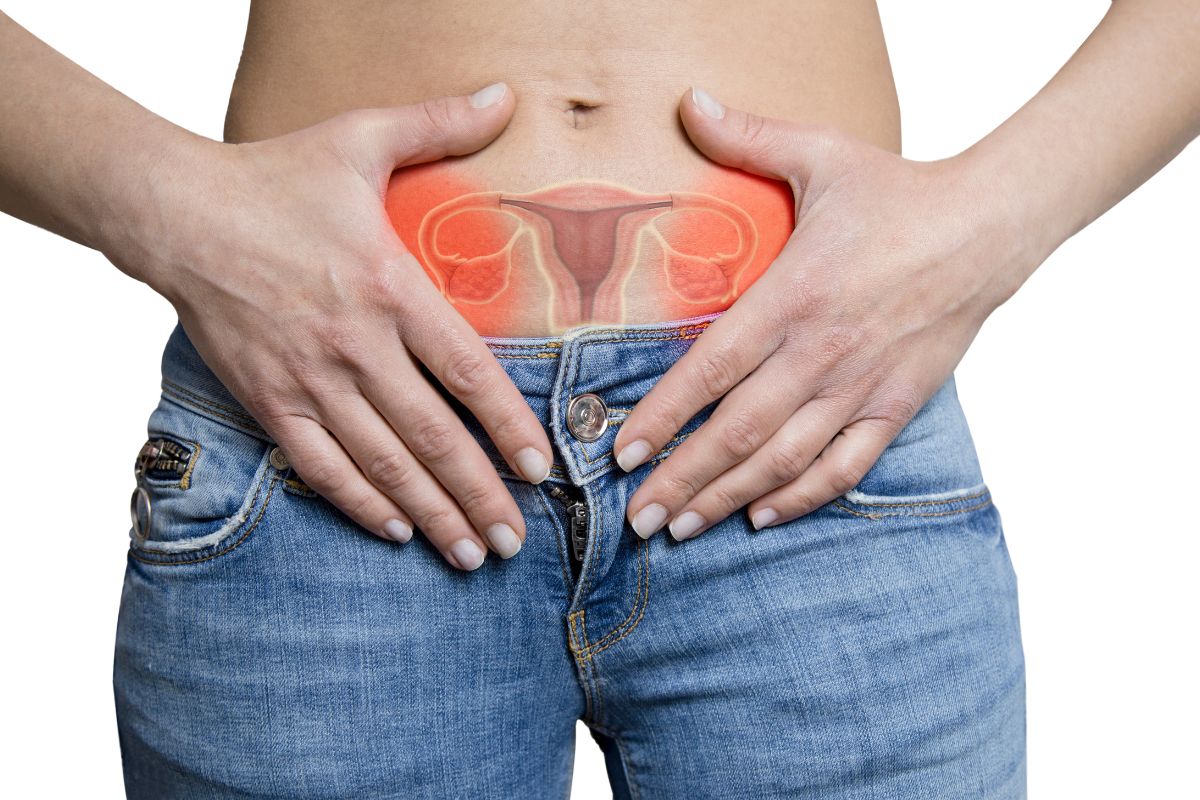
An anechoic cyst is usually a fluid-filled sac seen on ultrasound, often described as “simple” when it has thin walls and no solid-looking areas. Many ovarian cysts are harmless and resolve without treatment, but symptoms such as sudden pelvic pain, dizziness, fever, or heavy bleeding need prompt medical attention. This guide explains common causes, ovarian cyst symptoms, rupture warning signs, and what treatment may involve.
An anechoic cyst is a cyst that appears dark on ultrasound because sound waves pass through fluid rather than bouncing back as echoes. In the ovary, this often points to a simple fluid-filled cyst, but your clinician interprets the finding alongside your age, symptoms, menstrual history, pregnancy status, and any concerning ultrasound features. Simple cysts are commonly monitored, while cysts with solid areas, thick walls, or unusual contents may need additional evaluation. (cdn.mdedge.comOpenOpenOpen)
The phrase can sound alarming, but “anechoic” describes imaging appearance, not a diagnosis by itself. If you searched for ovarian cyst images, remember that ultrasound pictures are meaningful only when read by a trained professional. Two cysts may look similar to a patient yet require different follow-up depending on size, growth, pain, and risk factors.
Many ovarian cysts form as part of the menstrual cycle. A follicle may keep growing instead of releasing an egg, or a corpus luteum may seal and collect fluid after ovulation. These are called functional cysts, and they are among the most common reasons someone hears they have a cyst on an ovary. (acog.org)
Other cyst types can have different ovarian sac contents. A hemorrhagic cyst contains blood, often from bleeding into a functional cyst. Endometriomas are linked with endometriosis, and dermoid cysts can contain tissue such as fat or hair. These are not all treated the same way, which is why follow-up matters when symptoms persist or imaging is not clearly simple.
Ovarian cyst symptoms can be subtle or absent. When ovarian cysts hurt, discomfort is often felt low in the abdomen or pelvis, usually on the side of the affected ovary. The location of pain ovarian cyst patients describe may shift with movement, sex, exercise, or the menstrual cycle.
Possible symptoms include:
So, what does ovarian cyst pain feel like? It may feel like one-sided pressure, a pulling sensation, menstrual-like cramping, or a sudden stabbing pain. Severe pain with vomiting, faintness, fever, or rapid breathing is not something to “wait out.” Mayo Clinic and MedlinePlus both advise urgent care for severe or sudden pelvic pain, especially with signs of shock, vomiting, or possible internal bleeding. (mayoclinic.org)
Yes, many do. If you are wondering, “can ovarian cysts heal on their own,” “do ovarian cysts disappear on their own,” or “does an ovarian cyst go away,” the answer is often yes for functional cysts. ACOG notes that most ovarian cysts are benign and go away without treatment, though large, persistent, painful, or suspicious cysts may need monitoring or surgery. (acog.org)
Patients often ask the same question in different ways: will cyst on ovary go away, can ovarian cysts go away on its own, do ovarian cysts go away on their own, and do ovarian cysts resolve on their own? For many simple cysts, watchful waiting with repeat imaging is enough. However, after menopause, during pregnancy, or when pain is significant, your clinician may recommend closer evaluation.

When a cyst ruptures, fluid or blood can irritate the pelvis and cause sudden pain. What happens if cysts burst depends on the cyst type, bleeding amount, and your overall condition. Some ruptures cause brief pain and settle with rest and pain control, while others cause heavy internal bleeding, infection-like symptoms, or emergency-level pain. (mayoclinic.org)
What does a ruptured ovarian cyst feel like, or what does a burst cyst on ovary feel like? Many people describe abrupt, sharp, one-sided pelvic pain. Ovarian cyst rupture symptoms and signs of ruptured ovarian cyst may include:
If you are trying to understand how to tell if an ovarian cyst bursts, symptoms alone cannot confirm it. A clinician may use a pelvic exam, pregnancy test, blood tests, and ultrasound to check for cyst rupture, bleeding, ectopic pregnancy, torsion, or another urgent cause.
What to expect after an ovarian cyst ruptures varies. Mild cases may be managed with observation, fluids, and pain medicine. More serious cases may require hospital monitoring or surgery if bleeding is heavy or the diagnosis is uncertain. (medlineplus.gov)
Contact urgent care or emergency services if pain is severe, you feel faint, you have fever or vomiting, or you may be pregnant. Also, the phrase “uterine cysts burst” is sometimes used online, but pain blamed on the uterus may actually come from ovaries, fallopian tubes, fibroids, infection, pregnancy complications, or the digestive or urinary tract. Getting the right diagnosis matters.
Treatment may include watchful waiting, hormonal medication to reduce future functional cyst formation, pain relief, repeat ultrasound, or surgery when a cyst is large, persistent, painful, or concerning. There is no guaranteed answer for how to prevent ovarian cysts, but regular gynecologic care helps identify patterns and manage conditions that contribute to cysts. (acog.org)
A practical checklist:
An anechoic cyst is often a simple fluid-filled finding, and many ovarian cysts resolve on their own. Still, pain pattern, cyst appearance, rupture symptoms, and personal risk factors determine what happens next. If symptoms are new, severe, or worsening, do not self-diagnose from search results or images; get medical guidance so the cause is identified and treated appropriately.
I you have ovarian pain, please consult a doctor as soon as possible.

Heart health is crucial for overall well-being. Learn how to keep your heart healthy with these simple lifestyle changes, expert tips, and the latest medical advancements.

Dr. Helen Onoriode and her team at O. H. Women’s Health are committed to providing the highest quality healthcare through all phases of a woman’s life. Make an appointment with us today!