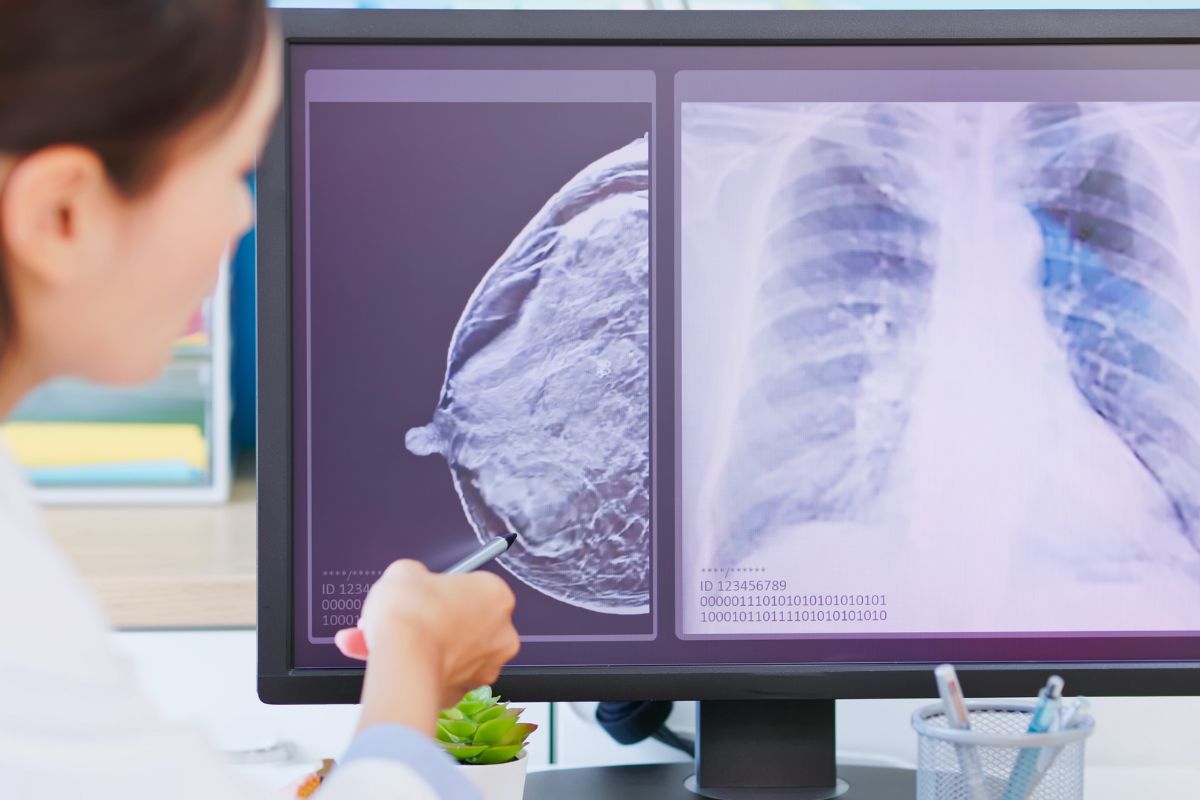
Finding breast cancer screening near you starts with choosing the right service: mammography is the standard screening test, while new breast symptoms need clinical evaluation rather than a routine screening appointment. Thermography should not replace a mammogram. This article explains how to compare local providers, check costs, prepare for your visit, and follow through on results. (fda.gov)
You can find breast cancer screening through hospital breast centers, outpatient imaging facilities, and participating clinics. Start with your clinician or insurer’s provider directory, then check the FDA’s searchable list of certified mammography facilities by ZIP code. Certification confirms that a facility meets baseline federal standards for equipment, personnel, and practices; it does not guarantee a particular outcome. (cdc.gov)
Searching “mammogram near me” can produce a useful shortlist, but distance should not be your only filter. Before booking, ask:
For more relevant search results, replace a broad location phrase with “breast cancer screening in [your city]” or add your ZIP code. Then call the facility rather than relying solely on a directory listing. Use the conversation to confirm current services, availability, and requirements before arranging transportation or time away from work.
If transportation is difficult, try searching “mobile breast cancer screening near me” and checking local hospital or public health program calendars. Some public screening programs include mobile services, but local availability and eligibility vary. Confirm the event date, whether advance registration is required, and whether you qualify before traveling. (dph.sc.gov)
Ask the mobile program where additional imaging would take place if your screening needs follow-up. Save its contact details and confirm how results will be delivered. A convenient screening location is most useful when you also know the next step.
Screening mammograms look for breast cancer before symptoms develop. Diagnostic mammograms investigate symptoms or an abnormal screening result and may involve additional views. If you notice a new lump, nipple discharge, skin dimpling, or another breast change, contact a healthcare professional promptly and tell the scheduler; do not simply book a routine screening visit. (cancer.gov)
Among breast cancer tests, each tool has a different purpose:
Dense breast tissue can make cancers harder to see on mammograms and is also associated with increased breast cancer risk. However, density alone does not automatically determine which additional test you need. Discuss your full risk profile and the benefits, limitations, and possible extra testing associated with supplemental imaging. (fda.gov)

The U.S. Preventive Services Task Force recommends mammograms every two years for average-risk women ages 40 through 74. Other organizations recommend different intervals, including annual screening for some age groups. Ask your clinician which schedule fits your circumstances rather than assuming every recommendation is identical. (uspreventiveservicestaskforce.org)
A known inherited cancer-related mutation, certain previous chest radiation treatments, or a significant personal or family history may change your screening plan. Some higher-risk people need earlier screening or MRI alongside mammography. Share these details before scheduling, especially if you have never had a formal breast cancer risk assessment. (acog.org)
No. Thermography has not been shown to be effective as a standalone breast cancer screening test or a substitute for mammography. It uses infrared imaging to show heat patterns near the body’s surface, rather than the internal breast images produced by mammography. (fda.gov)
If you searched “thermography for breast cancer screening near me” because you want to avoid compression or radiation, those concerns deserve a respectful conversation. However, FDA clearance of thermography devices as adjunctive tools does not mean they are cleared to replace mammograms. A reassuring thermogram should not be used to skip recommended mammography or ignore a breast change. (fda.gov)
Instead, tell the mammography team what worries you: pain, a previous difficult experience, positioning, or radiation exposure. Ask them to explain the procedure and discuss ways to make it more manageable. Choosing a test with established screening evidence matters more than choosing one advertised as comfortable or “natural.” (fda.gov)
Start with your insurance plan, then contact your state or local breast screening program if you are uninsured or face cost barriers. Most health insurance plans cover screening mammograms every one to two years beginning at age 40 without out-of-pocket costs, but confirm your particular benefits and network requirements. Do not assume every breast-related appointment receives the same coverage. (cdc.gov)
When calling your insurer and facility, ask whether the appointment will be billed as screening or diagnostic, whether 3D mammography is covered, and whether both the facility and interpreting clinician are in network. Request an estimate for any services that may not be fully covered. Write down the date, representative’s name, and information provided so you can refer back to the conversation.
For anyone searching “free breast cancer screening near me,” the CDC’s National Breast and Cervical Cancer Early Detection Program is a practical starting point. It supports screening and diagnostic services for eligible people with low incomes who are uninsured or underinsured. Typical breast screening eligibility includes ages 40–64 and household income at or below 250% of the federal poverty level, although exceptions and program requirements apply. (cdc.gov)
Use the CDC’s state program directory to contact the program serving your area. Ask about eligibility documents, participating providers, and help arranging appointments. Also ask what assistance is available if the initial mammogram leads to additional tests; completing follow-up matters as much as obtaining the first appointment. (cdc.gov)

Looking for a breast cancer screening in near me? A little preparation can make the visit less uncertain. If your breasts become tender around your period, consider scheduling when they are usually less sensitive. Tell staff about implants, pregnancy or possible pregnancy, breastfeeding, symptoms, and previous breast procedures so they can advise you appropriately. (cancer.org)
Use this appointment checklist:
A callback does not automatically mean cancer; it means more information is needed. Facilities must provide an understandable results summary within 30 days, with more urgent communication when findings warrant it. Contact the center if results are missing, and complete any recommended diagnostic appointment rather than waiting for the next routine screening.
Start by identifying a certified facility, confirming the right appointment, and checking coverage or financial assistance. Keep your previous records and results together, and leave with a clear follow-up plan. The goal is not simply to find the closest test—it is to choose appropriate screening and know what happens afterward.
If you are looking for a female OBGYN in Dallas- We are here! Pap smear, Ovarian Cysts, Fibroid removal, and more! Call us today to schedule your appointment =)

Heart health is crucial for overall well-being. Learn how to keep your heart healthy with these simple lifestyle changes, expert tips, and the latest medical advancements.

Dr. Helen Onoriode and her team at O. H. Women’s Health are committed to providing the highest quality healthcare through all phases of a woman’s life. Make an appointment with us today!